

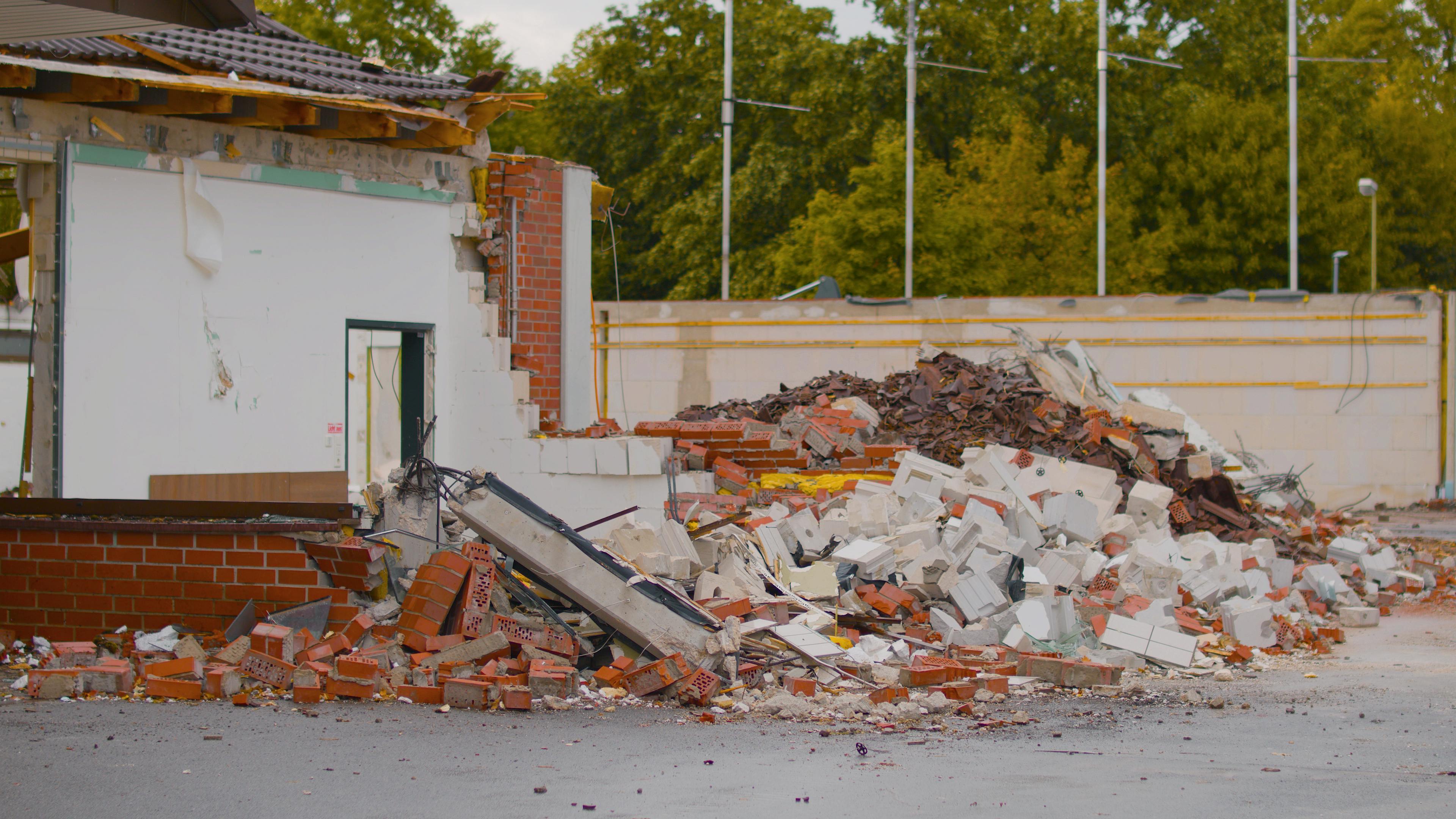
Demolition in Philadelphia: What It Costs, What’s Included, and How to Hire the Right Crew
Demolition in Philadelphia: What It Costs, What’s Included, and How to Hire the Right Crew
Demolition sounds dramatic, like a wrecking ball and a hard hat montage. In real life, most demolition work in Philadelphia is less “Hollywood” and more “get this thing safely removed without damaging everything around it.”
That is especially true in Philly where you have rowhomes, shared walls, tight backyards, narrow driveways, and parking that turns every job into a logistics puzzle. This guide breaks down what demolition typically includes, what actually drives cost, when permits matter, and how to hire a crew that does the job safely and leaves the site clean.
What demolition usually means in Philadelphia
Demolition falls into two broad categories. Light demolition and full structural demolition.
Light demolition is the most common for homeowners and small commercial projects. It includes things like removing decks, sheds, fences, old patios, concrete pads, interior tear-outs (kitchens, bathrooms, flooring, drywall), and hauling away debris. It is often part of a renovation, a property cleanout, or a yard reset.
Full structural demolition is a different animal. That is when an entire building or major structure is being taken down. It often involves engineering, permits, utility disconnects, specialized equipment, and strict safety requirements.
Most people searching for “demolition” online actually need light demolition, plus cleanup and disposal. The cleanup is not an afterthought. It is half the job.
What impacts demolition cost the most
Demolition pricing depends on scope, materials, access, and disposal.
Scope is what is being removed and how much labor it takes. A small shed with easy access is straightforward. A deck wedged into a tight rowhome backyard with no direct truck access is not.
Materials matter because some debris is heavy and expensive to dispose of. Concrete, brick, tile, plaster, and roofing materials add weight quickly. Weight drives disposal fees and how many loads are required.
Access is the Philadelphia wildcard. If the crew can back a truck right up to the structure, the job moves fast. If everything has to be carried through a narrow alley, down basement steps, or around parked cars, labor increases and the job can take longer.
Another factor is what needs to be protected. Rowhome jobs often require more careful work because you cannot just swing a sledgehammer without thinking. A professional crew plans for protecting walls, neighboring structures, and anything that must remain intact.
The most common demolition jobs All Around Removal handles
Most demo calls in the Philly area are for practical, targeted removals. Things like deck removal, shed demolition, fence removal, hot tub removal, concrete breakup and removal, and interior demo for renovations.
Interior demolition is a big one. People start a remodel and realize they need the old kitchen, bathroom, or flooring removed fast, and they do not want to spend a weekend hauling heavy debris down stairs in contractor bags. A demolition crew can remove the materials efficiently and haul everything away so the renovation can move forward.
Do you need a permit for demolition in Philadelphia
Permits are the part nobody wants to think about until the job stops.
Whether you need a permit depends on what is being demolished and where. Full building demolition typically requires permits and coordination with the city, utilities, and inspections. Many interior tear-outs and small exterior removals may not require a permit, but there are exceptions. A deck removal might be simple, but anything tied to a structural change, utility work, or major exterior alteration can trigger permit requirements.
The safest move is to treat permits as a project detail, not an afterthought. A trustworthy crew will tell you what they can handle, what you may need to pull, and when the job crosses into territory that requires a licensed contractor or city approval.
How to avoid the biggest demolition mistakes
The biggest demolition mistakes are predictable. Underestimating debris. Ignoring disposal rules. Hiring an uninsured crew. And rushing into a tear-down without confirming what is load-bearing, attached, or connected.
Debris adds up fast. A “small” bathroom demo can create a surprising amount of heavy waste. Concrete is especially deceptive. A few slabs can turn into a multi-load job.
Improper disposal is another problem. If someone dumps your debris illegally, you do not want your address or identifying items tied to it. Make sure the company is disposing properly and is transparent about where the debris goes.
Insurance matters because demolition is physical work in confined spaces. If someone gets hurt or property is damaged, you want to know you are protected.
The last mistake is structural guesswork. If you are unsure whether something is structural, or you are working in an older home with surprises behind the walls, it is worth being cautious. Smart demolition is controlled demolition.
What a good demolition crew does differently
A good demo crew is organized before the first swing. They confirm scope, walk the site, and explain the plan. They stage debris efficiently, protect the areas that need protection, and keep the work area safe. They also communicate clearly about timeline, pricing, and what is included.
The final sign of a professional crew is how the job ends. They do not just “remove the thing.” They leave the site clean, haul everything away, and make sure you are not stuck with a pile of debris and dust.
How to get an accurate demolition quote
Photos help, but access details are what make or break the quote.
If you want a fast, accurate estimate, send photos or video and include a few specifics. What is being removed. Where it is located. Any stairs, tight hallways, or alley access. Whether parking is difficult. And whether there is concrete, brick, tile, or other heavy material.
If the job is in a rowhome backyard, mention whether there is a gate and how wide it is. Those inches matter.
Demolition and haul-away in one step
Demolition does not end when the structure comes down. It ends when the debris is gone and the space is usable again.
All Around Removal handles light demolition and full haul-away for homeowners, landlords, realtors, and contractors in Philadelphia and surrounding areas. That includes tear-down and removal of structures like sheds, decks, fencing, and interior demo debris, plus responsible disposal so you are not left with a mess.
If you have a demolition project and you want a clear quote and a clean finish, All Around Removal can take a look at your job details and get you a plan to knock it out fast.
More of Our Blogs
Contact Us
Contact Us Today for a Free Estimate
Have a question about our services? Want to see if your particular project is one we can help with? To get a free quote, or if you have questions or special requests, just drop us a line!

